

My trip to Helsinki included waterfront saunas, queer history, a sea fortress, underground art, creative cocktails, and a nightclub with room for a seriously big night out. And that really just scratches the surface! Read on for the full overview of my visit to Finland’s capital.
Finland is known as an LGBTQ-friendly European destination, and its repeated position at the top of the World Happiness Report gives it another appealing introduction. A ranking alone doesn’t tell you what a trip will feel like, though. Here’s what I actually got up to, and how you can use those experiences to plan your own Helsinki visit.
Start With a Little Tom of Finland at Klaus K
I stayed at Klaus K, where the Tom of Finland package brings the work of one of Finland’s internationally best-known visual artists right into your room. His illustrations appeared on the bedsheets and towels, making this a much more distinctive stay than a standard hotel room.
The package also included a bottle of red wine. My room had an amazing balcony, too! Check out my short video overview (that got over 100K views on Instagram) below:
Heat Up at Löyly, Then Cool Down in the Baltic
Finland has more than three million saunas for a population of just over five million people. Clearly, this isn’t a minor national interest.
I visited Löyly, one of Helsinki’s best-known sauna spots, right on the Baltic waterfront. You can heat up in traditional smoke or wood-burning saunas, then head out to cool down in the sea.
That contrast is the experience: heat, water, and a complete change of pace. It also makes the waterfront something you participate in, rather than simply photograph from a distance.
I also created a short-form video about that experience, below:
Explore the City Through Its LGBTQ History
Helsinki is quite walkable, and I joined a Helsinki Gay Walk with a local gay guide. The tour combines city sights with stories about Helsinki’s LGBTQ past and community.
That combination matters. You still get architecture and monuments, but you also gain context you might miss while wandering independently. A city’s queer history isn’t always obvious from what’s standing in front of you.
Step Inside Uspenski Cathedral
One of Helsinki’s standout landmarks is Uspenski Cathedral. Built in the nineteenth century, when Finland was part of the Russian Empire, it’s the largest Eastern Orthodox cathedral in Western and Northern Europe.
The exterior makes a strong impression, but it’s worth going inside when access allows. The sanctuary is spacious, with golden details, ornate decoration, and large chandeliers.
Browse and Eat at Market Square
Helsinki Market Square sits beside the Baltic Sea at South Harbour. It’s the city’s famous open-air waterfront marketplace, with local goods, souvenirs, and traditional Finnish comfort food.
I browsed the stalls and stopped to eat. This is a good place to let sightseeing become a little less structured: look at what’s for sale, find something appealing, and enjoy being by the water.
Take the Ferry to Suomenlinna
Suomenlinna is a sea fortress with much more to explore than its short ferry journey might suggest. There’s a museum explaining the fortress’s history, a real World War II submarine you can walk through, and dark tunnels built into the rock.
My visit also took me to the King’s Gate. Between the stone fortifications, underground passages, and waterfront setting, there’s a satisfying mix of history and exploration.
Find Creative Cocktails at Struts
Back in the city, Struts provided a change of mood. This queer cocktail bar is in Kallio, just north of the city centre, and is known for highly curated, creative cocktails.
The window describes it as “a very queer cocktail bar,” which gets the point across nicely. Inside, the decorated walls and chandeliers give it plenty of character.
For a travel content creator covering LGBTQ destinations, places like this help show that queer travel isn’t only about major events or big nightclubs. Sometimes it’s about finding a smaller space where you want to settle in for a drink.
Struts and Hercules, which I visited later, fill different roles in an itinerary. One is a cocktail stop; the other is a much larger nightclub. There’s no need to choose one version of a night out for the whole trip.
Don’t Make Pride Your Only Reason to Visit
Helsinki Pride takes place in June, with a week of performances, parties, panels, and a parade. If you want your visit to centre on a major LGBTQ event, that gives you a clear starting point.
Check the official Helsinki Pride website for the relevant programme and dates before building plans around it.
But Helsinki’s appeal doesn’t disappear outside Pride week. The queer history tour, Tom of Finland hotel package, cocktail bar, and nightlife all give LGBTQ visitors ways to connect with the city beyond one annual celebration.
See Helsinki From the Water
After exploring on foot, I took the Helsinki Highlights City Cruise. The trip lasts about an hour and a half and follows the city’s urban shorelines, passing architecture, notable sights, and scenic districts.
It offers a different perspective from the Suomenlinna ferry. The ferry takes you to a destination; this cruise makes the shoreline itself the focus.
Visit a Church Carved Into Solid Rock
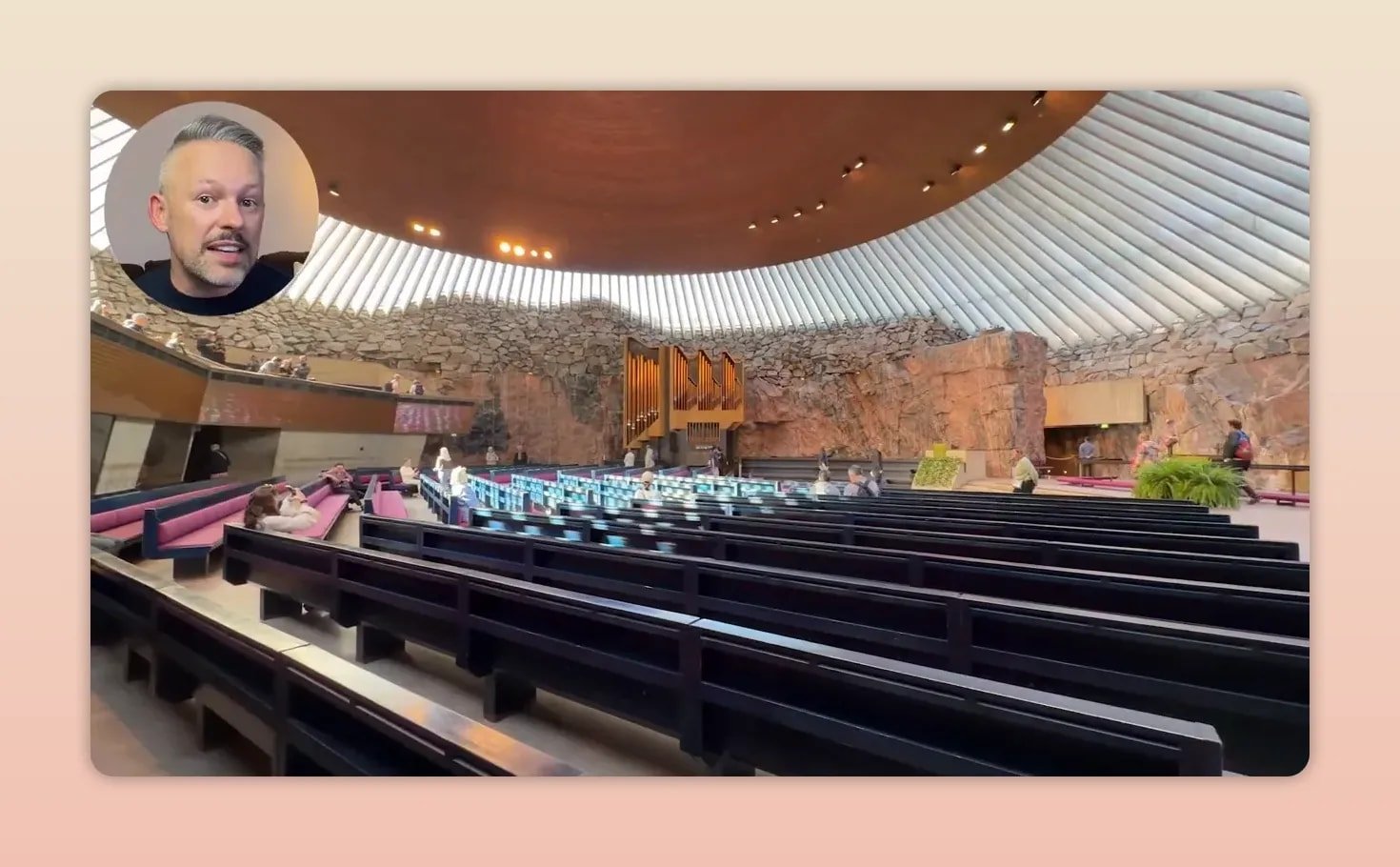
Temppeliaukio Church is also known as the Church of the Rock, and the name is wonderfully literal. It was carved directly into solid granite bedrock.
Designed in the 1960s, it remains an active parish church. Inside, the exposed rock walls make the building feel very different from Uspenski’s richly decorated sanctuary.
Choose Your Art: Kiasma, Amos Rex, and Ateneum
Helsinki gave me three very different museum experiences. If you’re deciding where to spend your time, it helps to understand what distinguishes them rather than treating them as interchangeable art stops.
Kiasma: Contemporary Finnish and International Art
The Museum of Contemporary Art Kiasma opened in the late 1990s. It has five gallery floors and an evolving collection of roughly 8,000 works featuring Finnish and international contemporary art.
For a travel content creator, contemporary galleries offer a change from historic landmarks. For someone planning a visit, Kiasma is the option to consider when current and experimental artistic approaches are a particular interest.
Amos Rex: Art Below Ground
Amos Rex takes the museum experience underground, with subterranean galleries featuring experimental and technologically driven contemporary art.
The architecture is part of the attraction. Large skylights inside correspond to huge domes outside, connecting the gallery spaces with the unusual shapes above ground.
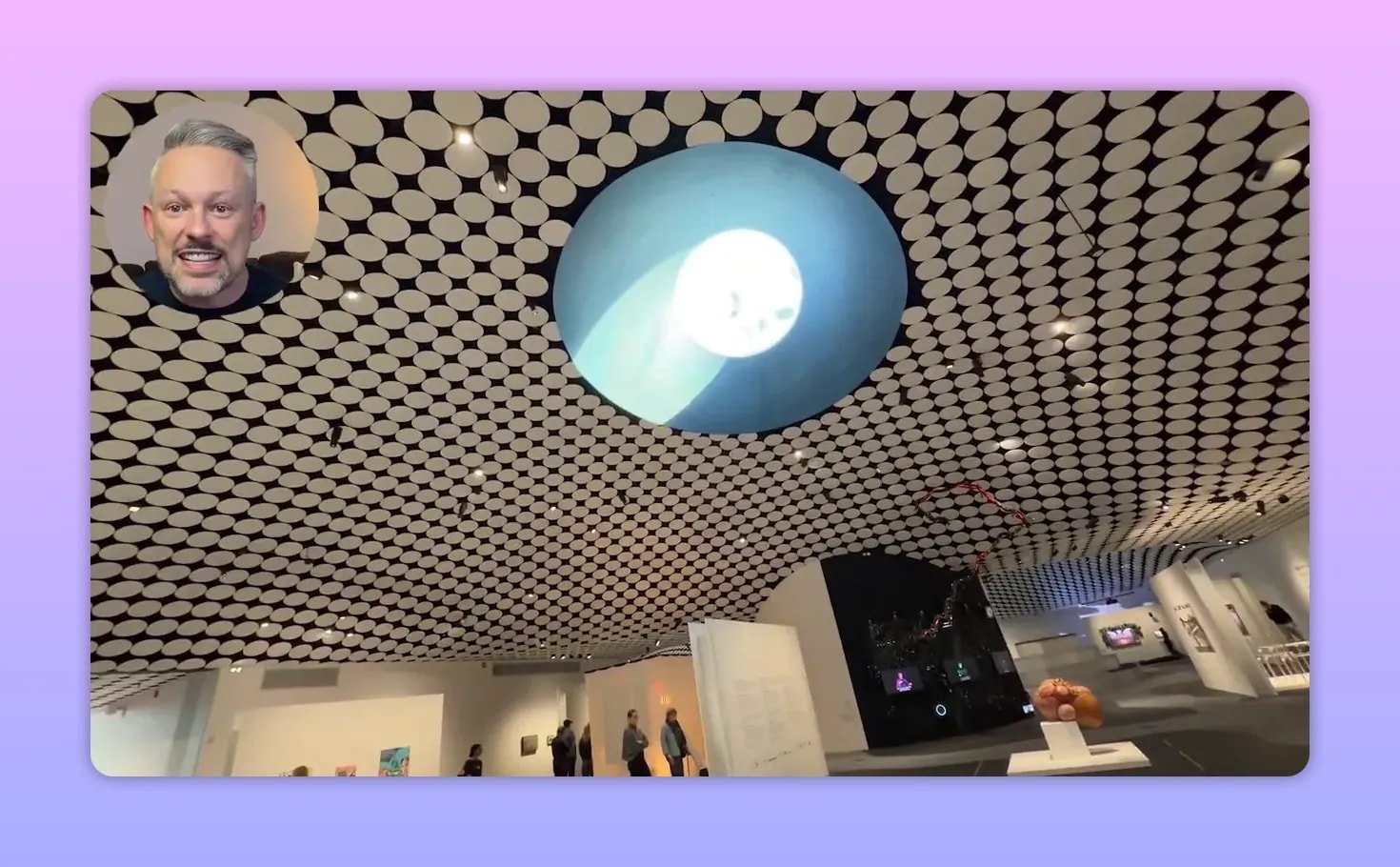
That inside-outside relationship made Amos Rex especially memorable to me as a travel content creator. There’s something satisfying about experiencing the galleries and then recognising how their design appears from the exterior.
Ateneum: Finnish Art History
Ateneum offers another direction. It’s Finland’s premier classical art museum, with a major collection of classical and modern art that makes it a central home for Finnish visual culture.
If Kiasma and Amos Rex draw you toward contemporary experimentation, Ateneum gives you a broader historical foundation. I visited all three, but your own interests can guide the choice. You don’t have to turn a city break into a museum endurance test.
Save Hercules for a Weekend Night
Hercules brings the scale: the LGBTQ+ nightclub can hold up to 1,000 people and is described as the Nordic region’s largest.
The practical detail is timing. Friday and Saturday are the busy nights, so a weekend visit makes the most sense if you want the fuller nightlife experience.
As a travel content creator, I like including both intimate queer venues and larger gathering places. Struts offers the cocktail-bar side of Helsinki; Hercules gives you the big-night-out option.
Stay Connected in Helsinki and beyond
I used a Saily eSIM to stay connected from the moment I arrived in Finland. The service covers that country and more than 190 other, and lets you add destination plans after installing the eSIM once, rather than swapping physical SIM cards each time. It’s a great way to stay connected without paying high roaming fees or searing for physical SIM cards.
Still, the best part of Helsinki wasn’t being online. It was the range of experiences available: Finnish queer art in my hotel room, Baltic water after the sauna, local LGBTQ history, striking churches, and an evening cocktail.
My biggest takeaway as an LGBTQ traveller, and gay travel influencer, is to give Helsinki that variety – include queer spaces, but leave time for the fortress, galleries, and waterfront too. Together, they make a much more complete introduction to Finland’s capital.
For more travel inspiration across the continent, browse my collection of Europe travel experiences and get inspired for your next trip!
This article was sponsored by Saily and my trip was done in collaboration with Helsinki Partners