
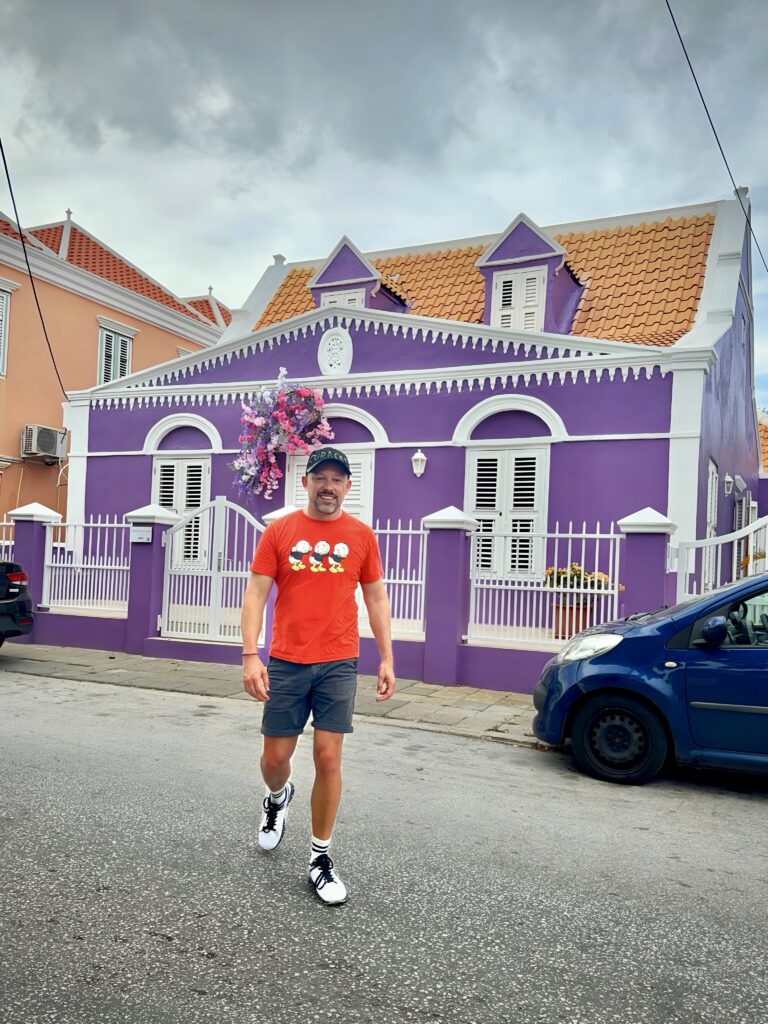
When I think about easygoing LGBTQ travel in the Caribbean, Curaçao definitely stands out. It has the tropical water and warm weather people want from a Caribbean escape, but it also offers something that can be harder to find in the region: a stronger sense of comfort and openness, for queer travellers.
That does not mean every street corner is waving a rainbow flag – it means the island feels genuinely livable and welcoming to our community. In Willemstad (the capital) public art celebrates the local LGBTQ+ community, Pride has been around since 2012, and marriage equality arrived in 2024. Even more telling, locals have described feeling comfortable showing affection with a same-sex partner in public in the city. For LGBTQ travellers, that kind of real-world ease matters more than glossy marketing ever could.
Curaçao also happens to be beautiful, colourful, and packed with things to do. I’m talking boutique hotels by the sea, chef-led dining, mural-filled streets, local markets, jet skiing, snorkeling, ziplining, and a giant island celebration drenched in orange for the King’s birthday. If you’re looking into LGBTQ travel options and want a Caribbean destination that mixes fun, style, and a more relaxed social atmosphere, Curaçao makes a strong case.
A stylish home base in Willemstad
A big part of any trip is where to stay, and this stop came with a pretty wild setup for me: a two-level penthouse at The Art Hotel Curaçao. For one person, it was hilariously over the top, but in a pretty awesome way. The suite has room for up to six, with a split-level layout that makes it feel more like a private vacation apartment than a standard hotel room.
The standout features are all outside: upstairs, the primary suite opens onto an outdoor shower built for two and a balcony hot tub. Down below, there is another huge terrace with a private pool. The whole place looks out over the main hotel pool and the sea beyond, which is exactly the kind of setting that makes it very easy to abandon all productivity.
The hotel itself is adults-only and non-smoking, with a boutique feel and an obvious design focus. True to its name, artwork is part of the atmosphere. It sits centrally in Willemstad, so it works well as a base if you want city access without giving up a waterfront setting.
A few things make it especially appealing for a relaxed stay:
- It is right in the capital, where the island’s cultural energy is strongest.
- There are two restaurants on site with indoor and outdoor seating.
- The pool area faces the ocean and has a polished, laid-back vibe.
- There is direct ocean access if you want to skip the beach and jump right in.
A chef’s table worth planning around
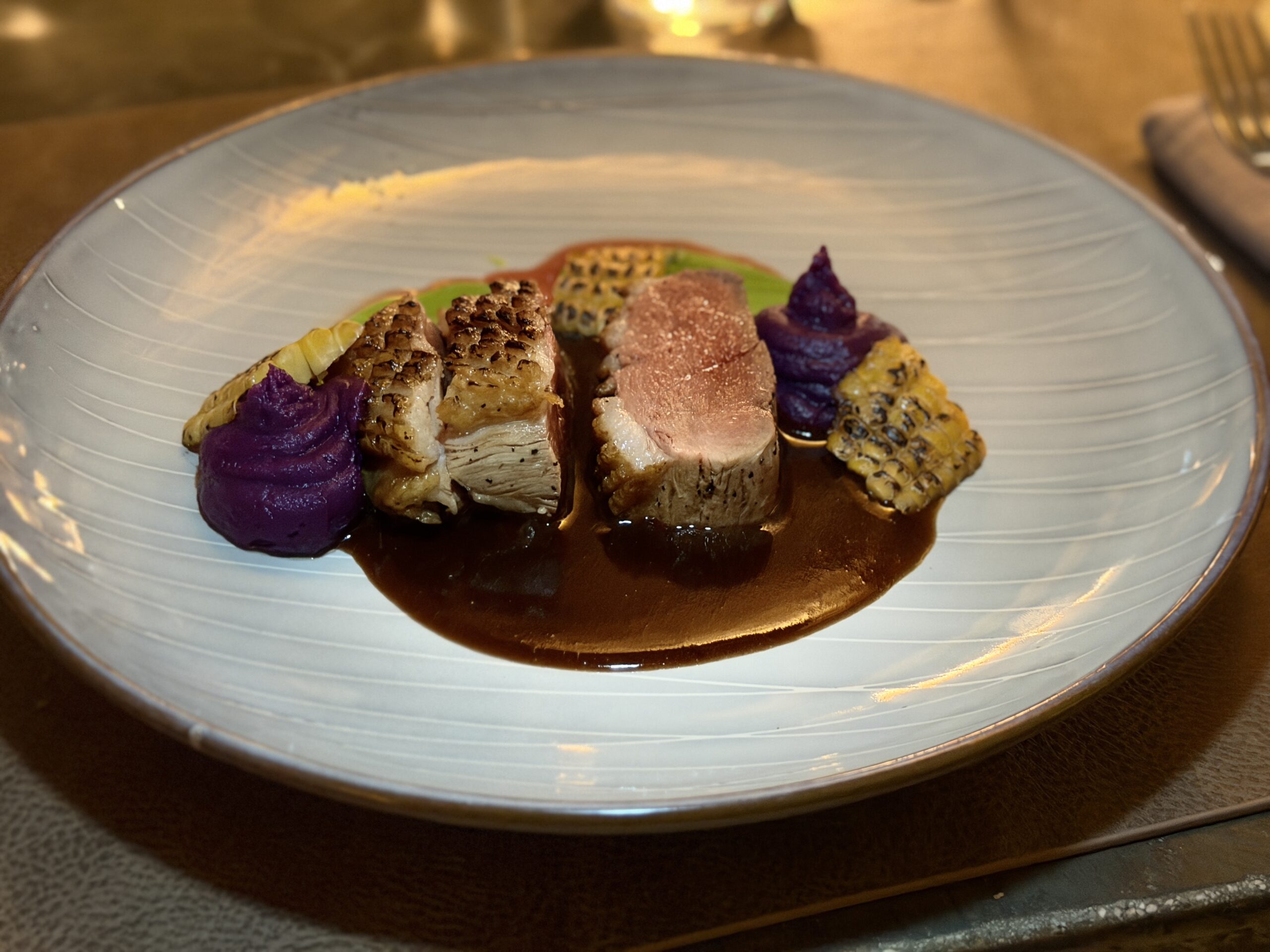
One of my most memorable food experiences on the island was Helmi’s Kitchen. This was not a casual drop-in dinner – it was a chef’s tasting setup, built around a shared table and a more intimate, carefully paced meal that took a few hours to get through with strangers who became friends.
The concept is simple, but special. Guests gather around one table while chef Helmi Snelders serves a tasting menu shaped by Caribbean flavours, local ingredients, and personal storytelling. That combination matters. It is not just about fancy plating. It is about using food to say something about Curaçao itself.
The experience generally only happens once every two weeks and the table seats a maximum of 16 people, so it is absolutely the kind of thing to reserve in advance. If I were planning a return trip, I would book this early and build the rest of my itinerary around it.
Meals like this are a great reminder that a destination is more than beaches and nightlife. Curaçao has a creative side too, and that came through clearly here.
Why Curaçao stands out for LGBTQ travel
This is the part that really makes Curaçao different. Plenty of islands are beautiful. Fewer have built a reputation for being notably welcoming to queer travellers.
Curaçao is often described as one of the most LGBTQ-friendly places in the Caribbean, and the reasons are concrete. The island has held Pride celebrations since 2012. Same-sex marriage became legal in 2024. In Willemstad, there is public art created in recognition of the LGBTQ+ community that’s front and centre. There is even a dedicated gay bar in the city (called GAZE).
But milestones only tell part of the story. What stuck with me most was the sense that acceptance is visible in ordinary life, not just in annual events. That is what gives Curaçao a real edge for LGBTQ travel. It feels less like a destination that tolerates queer visitors and more like a place where queer people are part of the social fabric.
A few reasons Curaçao works so well:
- Visibility: LGBTQ+ presence is not hidden away.
- Legal progress: Marriage equality signals meaningful institutional change.
- Community expression: Murals and Pride events show local support in public space.
- City comfort: Willemstad gives off a more relaxed atmosphere than many Caribbean capitals.
Of course, no destination is perfect, and smart travel awareness still matters anywhere. But if someone asked me where to look for Caribbean LGBTQ travel that feels both fun and less stressful, Curaçao would absolutely be part of that conversation.
Exploring Willemstad by tuk-tuk
Curaçao’s capital is one of those places that instantly makes an impression. The architecture is bright and playful, the streets feel full of personality, and the walls often double as public galleries.
A tuk-tuk tour turned out to be a great way to get around and see more in less time. It made it easy to hop between neighborhoods, take in the murals, and understand how art has become part of Curaçao’s identity. Some murals are decorative. Others feel like statements about place, culture, and inclusion.
That street art matters because it helps define the city’s character. Willemstad is not polished in a sterile way. It feels creative, expressive, and lived in. For me, that always makes a place more memorable.
Get a local breakfast before the big adventures
Outside the polished hotel-and-restaurant side of Curaçao, there is a more everyday local rhythm, and one stop that captures it is Plasa Barber. This market is a good place for homemade food, simple drinks, and a more grounded look at island life.
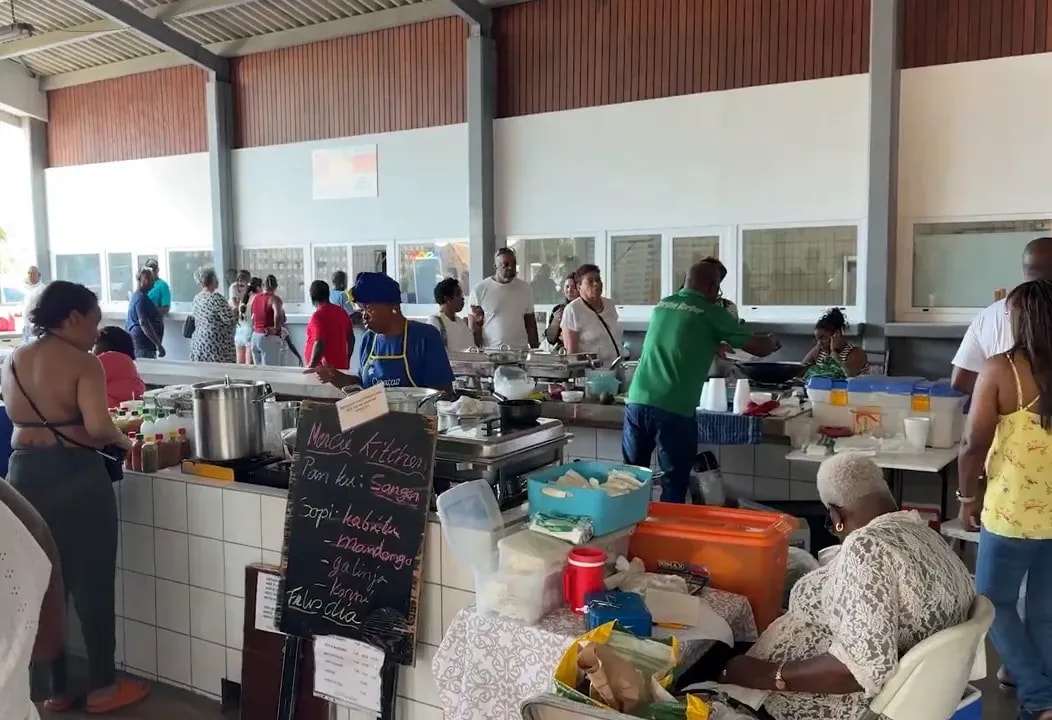
It is the kind of place where breakfast certainly does not feel curated for tourists. It feels like a community routine. That can be one of the best parts of travel. Fancy meals are great, but I also want the places where I can get something authentic and uncomplicated.
Papiamento is the main language spoken on the island, though basic English is widely understood. That makes day-to-day logistics pretty manageable, especially in and around tourism areas.
Jet skiing, turtles, and incredibly blue water
If your version of doing LGBTQ travel includes adrenaline and sunshine, Curaçao delivers there too. One of the best active experiences was a jet ski outing along the coast.
Tourrific Curaçao offers rides ranging from short half-hour spins to much longer sessions of up to three hours. That flexibility is nice because not everyone wants the same level of action. You can keep it brief, or make it a bigger part of your day.
The route includes scenic coastline, beach stops, and one especially memorable bonus: snorkeling with giant turtles. That is one of those travel moments that sounds almost too packaged to be real, but it absolutely delivers. The water is clear enough that marine life becomes part of the whole experience, not just a side note.
There was also a beach resort stop where I could grab a drink and use an infinity pool with sweeping ocean views. Honestly, that combination sums up Curaçao pretty well. The island knows how to alternate between adventure and lounging without making either one feel forced.
If you want a simple way to book activities on the island, the GetYourGuide app is a great option for Curaçao excursions.
Ziplining across Curaçao’s wilder side
Most postcards focus on the water, but Curaçao’s inland landscape deserves attention too. At Hofi Mango, a mango forest with a rugged, dry beauty, the scenery shifts away from beach resort polish and into something more raw.
Zipline Adventures Curaçao runs a course that sends you across the landscape five times, giving you a wide aerial look at the island’s natural terrain. The views are broad and earthy, with scrubland, hills, and open sky stretching out in all directions.
I like when a destination offers more than one visual identity. Curaçao is not just turquoise water and pastel buildings. It also has a tougher, wind-shaped side, and seeing that from above adds depth to the trip.
King’s Day turns the island orange
Curaçao is an autonomous country within the Kingdom of the Netherlands, which means the Dutch monarch is also the island’s king. By luck, the trip lined up with the King’s birthday, and that transformed the atmosphere.
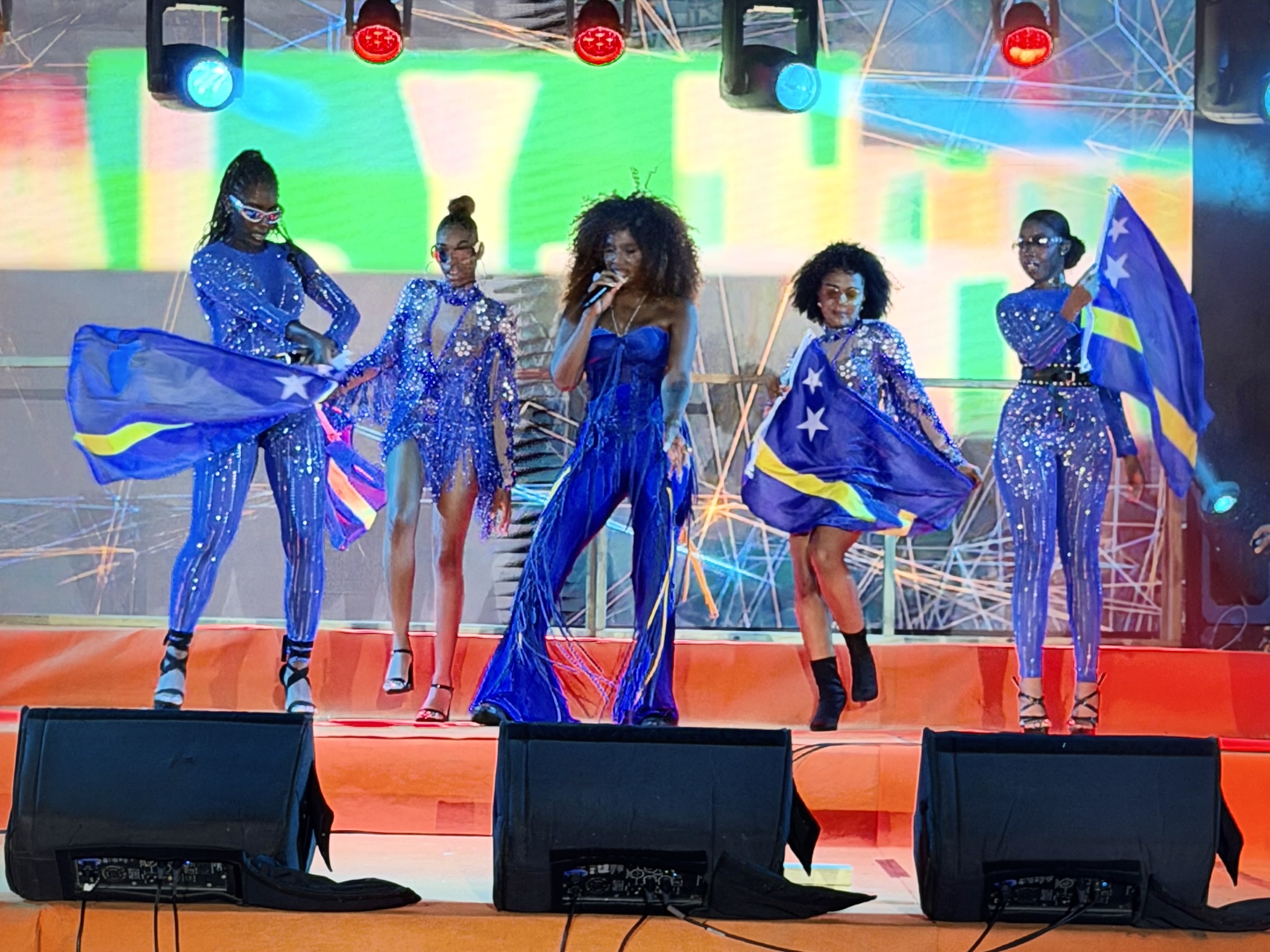
Streets filled with people dressed in orange, which is the colour most closely associated with Dutch royal celebrations. During the day, Willemstad felt festive and crowded. By night, that energy rolled into King’s Fest, a larger event with live performances, DJs, and dancing.
Events like this are useful for trip planning because they can completely change the feel of a destination. If you like built-in celebrations, timing a visit around King’s Day could be a great move. If you prefer a quieter stay, it’s probably something to avoid (although it’s only one day). Either way, it’s good to know the island has this kind of large-scale public party culture.
Balancing relaxation and activity
One thing I really like about Curaçao for LGBTQ travel is that you do not have to choose a single type of trip. The island can easily support very different moods.
If I wanted a slower version of the same trip, I could happily spend most of my time doing this:
- sleeping in at my waterfront hotel
- enjoying a long breakfast outdoors
- wandering Willemstad for murals and architecture
- swimming in the sea or pool (or both!)
- booking one standout dinner to enjoy throughout an evening
If I wanted a more active itinerary, these are the kinds of things I’d consider:
- jet ski the coast
- snorkel with turtles
- visit beaches outside the capital
- zipline over the island’s dry interior
- join a city festival or nightlife stop in Willemstad
That flexibility is a huge plus. Some islands are amazing for pure rest, but get repetitive quickly. Others are adventure-heavy and never really exhale. Curaçao sits nicely in the middle.
Staying Connected
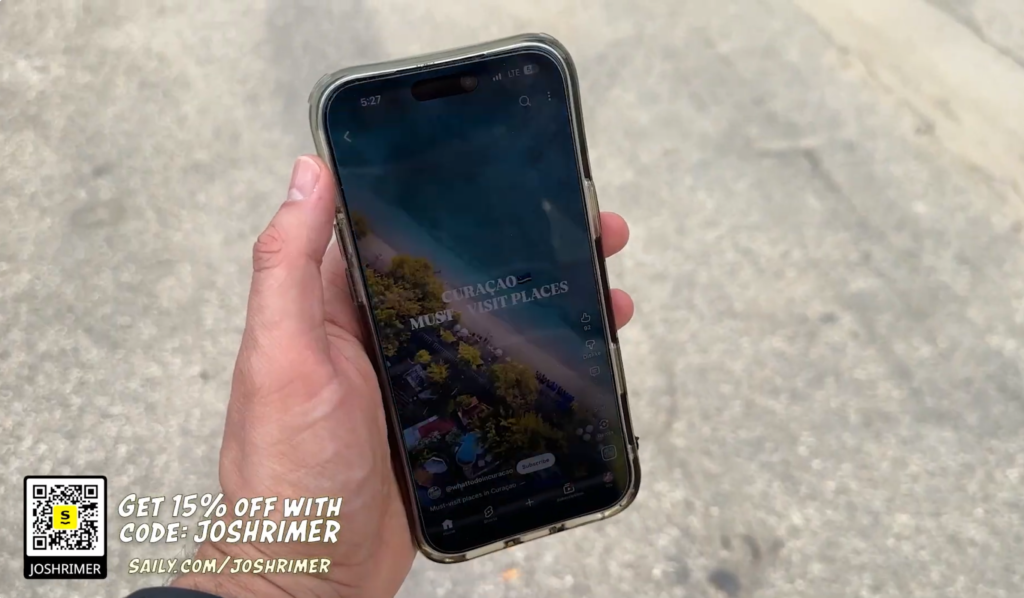
One practical detail that often gets overlooked until arrival is mobile data. Staying connected while traveling can make everything easier, from navigation and restaurant research to coordinating transport and sharing photos in real time.
For this trip, the solution was an eSIM from Saily, which avoids the hassle of searching for a local SIM card after landing and helps reduce roaming costs. Instead, the data plan can be downloaded directly through the app before or during the trip. If you want to set that up for your own travels, here is a Saily deal for a 15% discount off their already low pricing!
Practical notes for planning your visit
If I were putting together a smart first trip, here are the main takeaways I would keep in mind.
1. Base yourself in Willemstad
The capital gives you art, food, nightlife, walkable character, and some of the clearest signs of Curaçao’s LGBTQ-friendly environment. It is the best place to start.
2. Book special dining early
Small-format experiences like Helmi’s Kitchen have limited seats and do not run nightly. Reserve as soon as your dates are firm.
3. Leave room for activities outside the city
Curaçao may be small, but the appeal goes beyond downtown. The coastline, beaches, and natural areas add a lot.
4. Plan mobile data before you arrive
Staying connected is useful for maps, bookings, and coordinating excursions. An eSIM can make this much easier because you can set it up in advance instead of hunting for a physical SIM card after landing. I rely on a Saily eSIM to stay connected and you can get a 15% discount by using that link (or using promo code JOSHRIMER at checkout).
5. Check the event calendar
Pride, King’s Day, and local festivals can all shape the atmosphere. Depending on your travel style, that can be either a huge bonus or something to plan around carefully.
So is Curaçao the most LGBTQ-friendly Caribbean island?
That is always going to be a little subjective, because different travelers care about different things. Some prioritize nightlife. Some care most about legal protections. Some want visible community, while others just want to blend in and feel unbothered.
Still, Curaçao has a very convincing argument. It combines legal progress, public LGBTQ+ visibility, local expressions of acceptance, and the practical appeal of a gorgeous Caribbean vacation. Add in the art scene, the food, the colourful capital, and the easy mix of relaxation and adventure, and it becomes more than just a beach destination with a rainbow label.
For me, that is what makes LGBTQ travel here feel compelling. Curaçao is not selling a fantasy version of inclusion. It seems to offer something more useful: a place where the entire 2SLGBTQIA+ community can enjoy the Caribbean and feel a bit more at ease doing it.
If you are building a shortlist for your next warm-weather getaway, Curaçao absolutely deserves a place on it.
This article was sponsored by Saily and my trip was done in collaboration with the Curaçao Tourist Board
Check out my YouTube channel!
See more of my LGBTQ travel videos: