
It’s not every day that you visit another country and get to explore an area that’s so remote few of that country’s own citizens have actually seen it, but that’s exactly what happened when I checked out the Kimberley region of Australia. This trip was a perfect mix of raw wilderness, dramatic landscapes, wildlife encounters, and a surprising amount of luxury. The latter being because I was exploring the area on a Seabourn cruise. It’s referred to as an ultra-luxury ship and I can say that with unlimited caviar on board it does indeed fit that description.
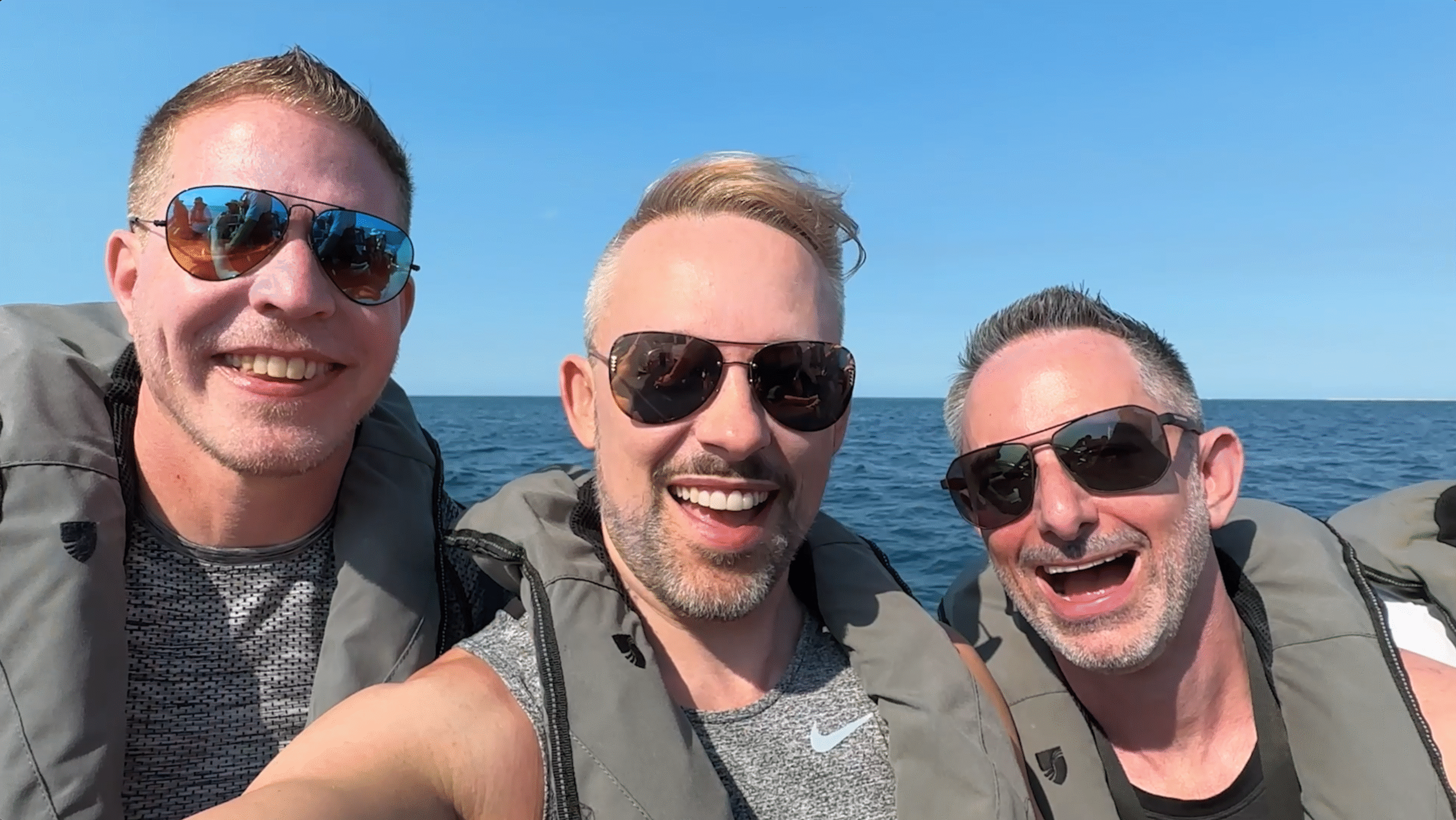
VACAYA had chartered the cruise so it was all LGBTQ passengers on this trip through Western Australia. As a gay man myself I love travelling with other people from my community because everything on board is then catered to us and everyone can feel totally comfortable just openly being themselves.
A Unique Area for LGBTQ travel
The Kimberley is one of those places that feels like the edge of the world. It’s remote, vast and so sparsely populated that you can sail for hours and see hardly any sign of modern life. For an LGBTQ travel option it’s a chance to get away from the usual destinations and experience something completely different – a region where the landscape steals the show and the sense of adventure is constant.
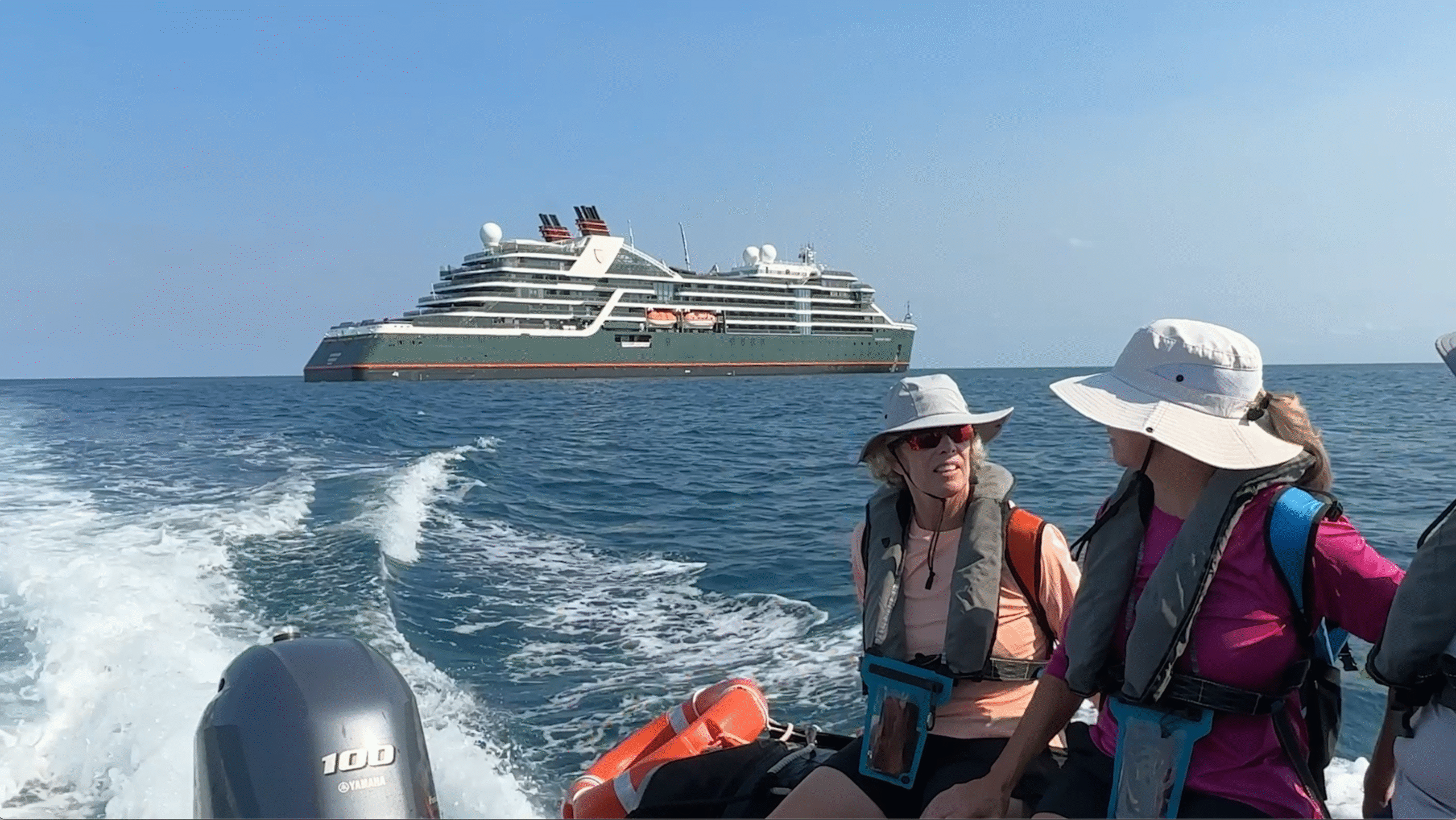
This trip certainly wasn’t about roughing it though. I traveled on the Seabourn Pursuit and the balance of rugged exploration with luxury accommodations made it an ideal way to experience the Kimberley in comfort. Whether you’re a seasoned traveler or just curious about combining a bit of glamour with serious wilderness, this definitely fits the bill.
The Seabourn Pursuit Experience
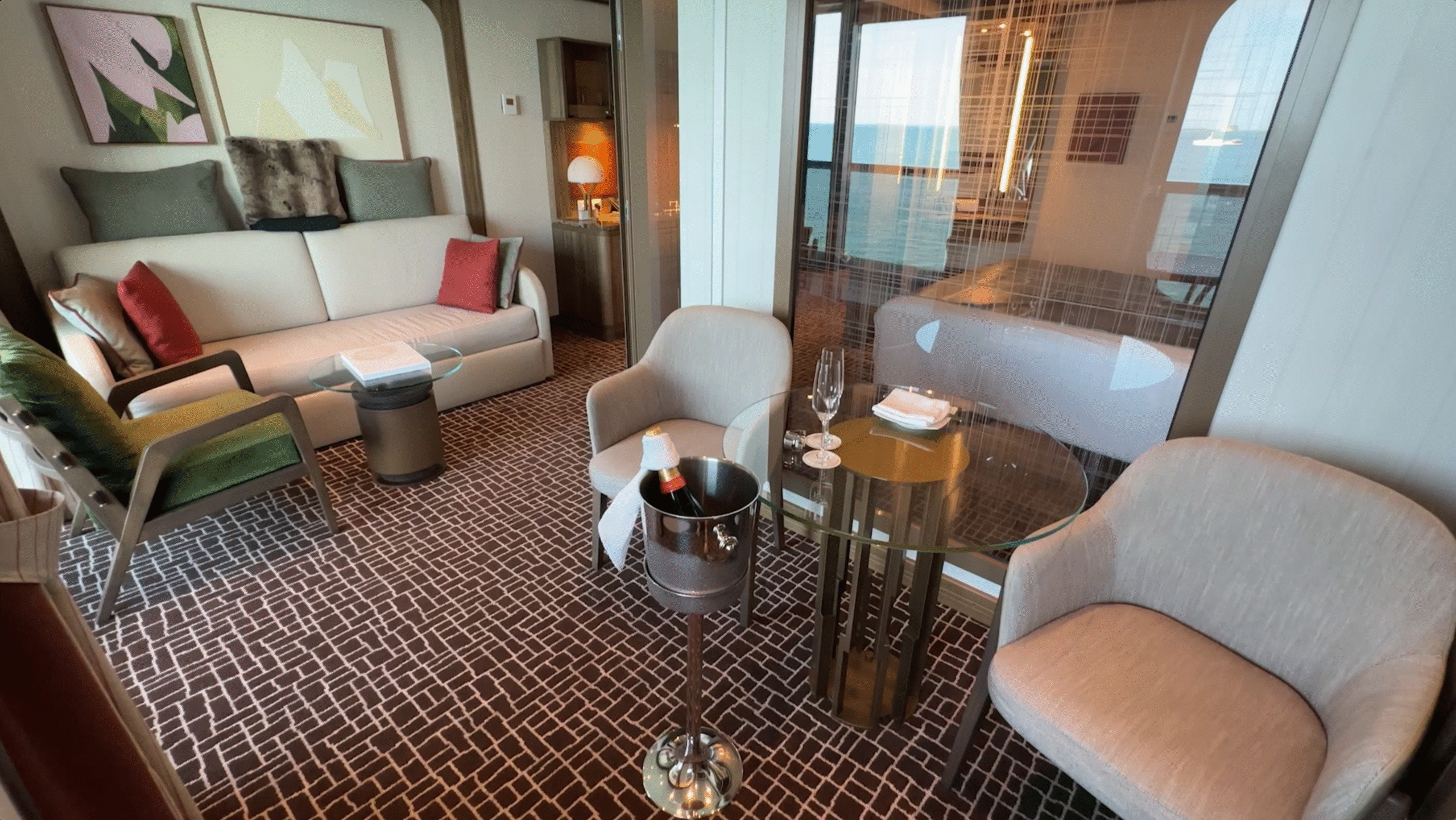
The Seabourn Pursuit is far from the cramped cabins you might imagine on expedition cruises. My suite had an enormous closet and a bathroom with a separate bath and shower – basically spa levels of comfort. After muddy hikes, zodiacs, and hot days in the sun having that kind of luxury to return to made the trip addictive.
More than the cabin, the communal vibe onboard was fantastic. A cruise chartered for an LGBTQ travel crowd makes the ship feel like a supportive and social bubble where people were excited to swap stories and plan late-afternoon cocktails after their time exploring. There were moments of pure indulgence, but also a real sense of shared adventure.
Wild Scenic Moments That Define the Kimberley
The core of any Kimberley trip is the excursions, and that’s where the region really shows off. Each day we boarded zodiacs to slip into gorges, walk along ancient shores, snorkel in clear Indian Ocean water, and even take a helicopter flight to a remote waterfall. Below are the highlights, with practical notes and a few honest observations.
King George River & King George Falls
Our first big shore day was the King George River. This is a perennial river – it flows all year, even during the dry season – which is more than just a geography note. It means the gorge is sculpted by water year-round and the sandstone cliffs are dramatic and sheer.
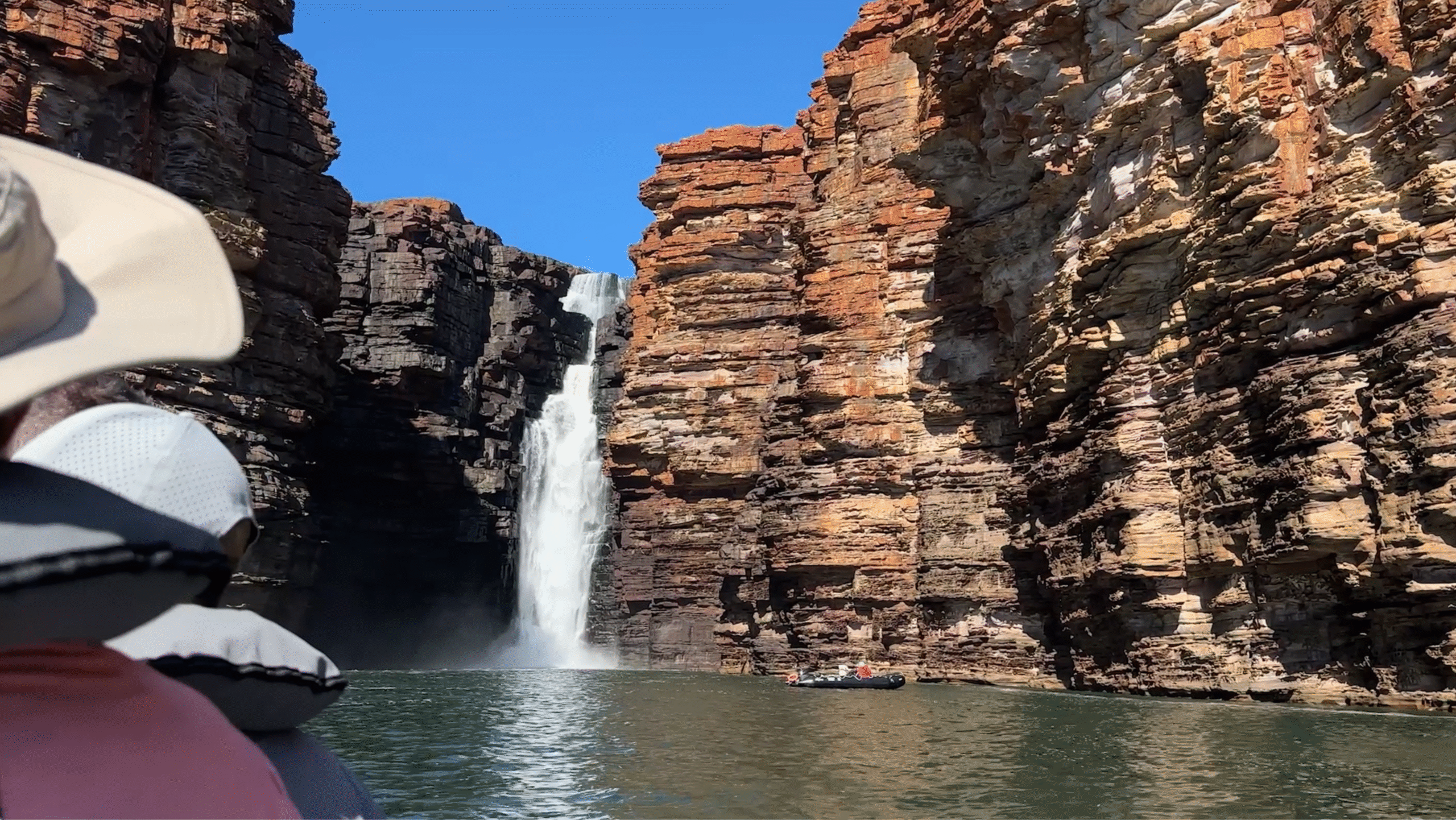
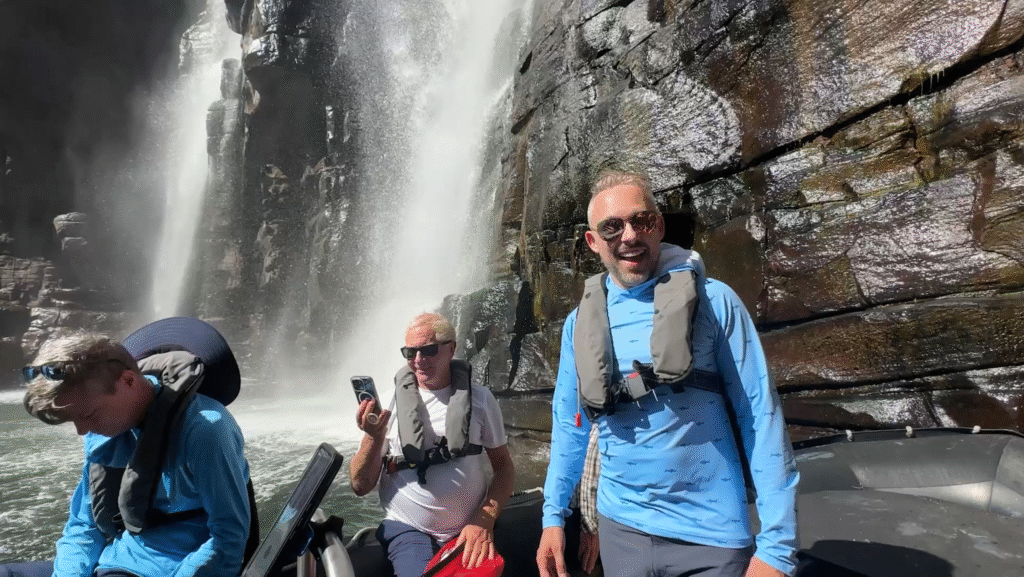
We motored up the river by Zodiac, winding between high sandstone walls until we reached the King George Falls – the highest twin waterfalls in Western Australia. They’re 80 meters (250 feet) high and seeing that water plunging over layers of red-brown rock is one of those sights that stays with you. The noise, the spray, the scale: it’s everything you’d hope for in a remote waterfall encounter.
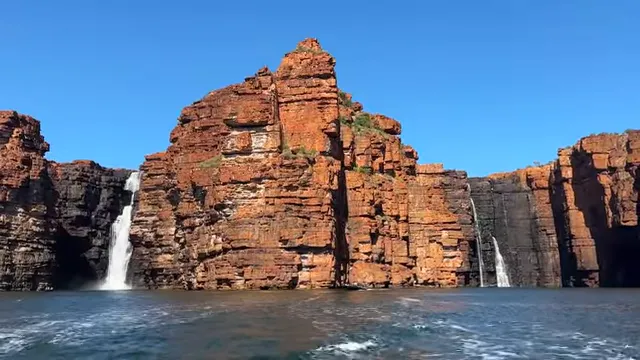
Practical note: bring a waterproof jacket and a camera you’re comfortable getting a little wet – there’s spray even at a distance. Also, zodiac transfers are the norm here, so be ready for nimble boarding and disembarking.
Vansittart Bay: Plane Wreck & Ancient Aboriginal Art on Jar Island
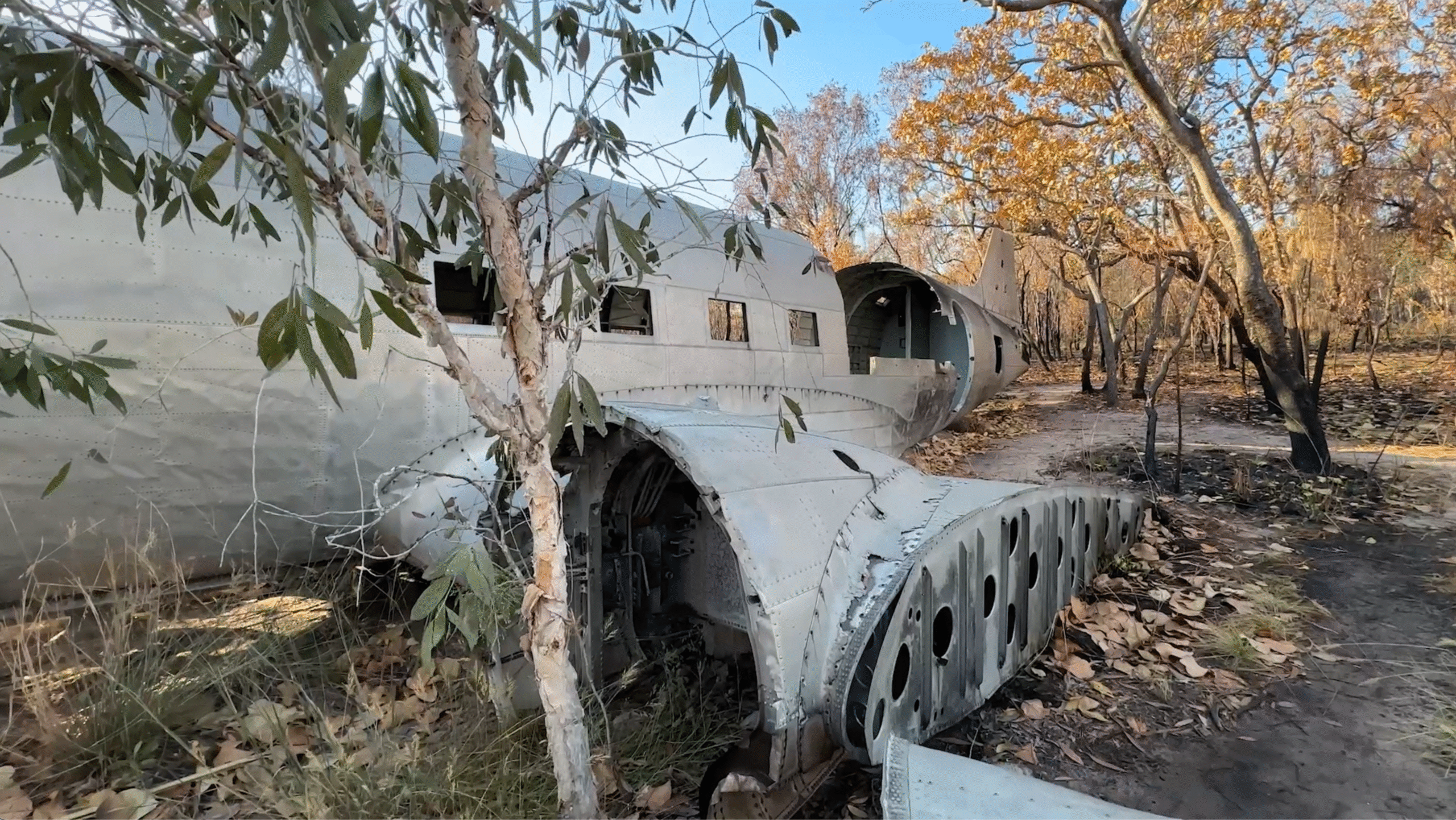
Vansittart Bay was part history lesson, part archaeology. Onshore we found the remains of a C-53 plane that crashed in 1942. It’s incredible the wreckage has sat there among the greenery for decades with no casualties in that crash – a little time capsule from wartime history tucked into the bush.
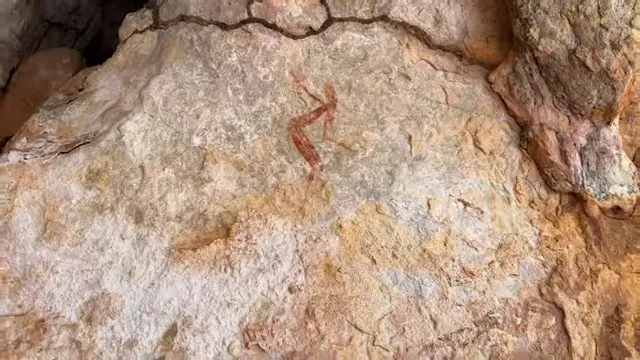
Nearby Jar Island is a humbling place. There are rock paintings and hand stencils that are estimated to be up to 40,000 years old. Walking among those panels, knowing humans stood here tens of thousands of years ago and left marks that survived to today, is a powerful reminder of continuity. On this trip I was careful and respectful of requests from Indigenous hosts regarding photography and recording – when asked not to film, we honoured that wish, although they did allow it for a few spots.
Ashmore Reef Snorkeling
Ashmore Reef is a marine treasure. We found a safe zone – deliberately chosen to keep us away from crocodiles and other risky wildlife – and slipped into the water for snorkeling. The clarity and life in that part of the Indian Ocean were spectacular: schools of fish, coral, and colourful reefs stretching beneath us.
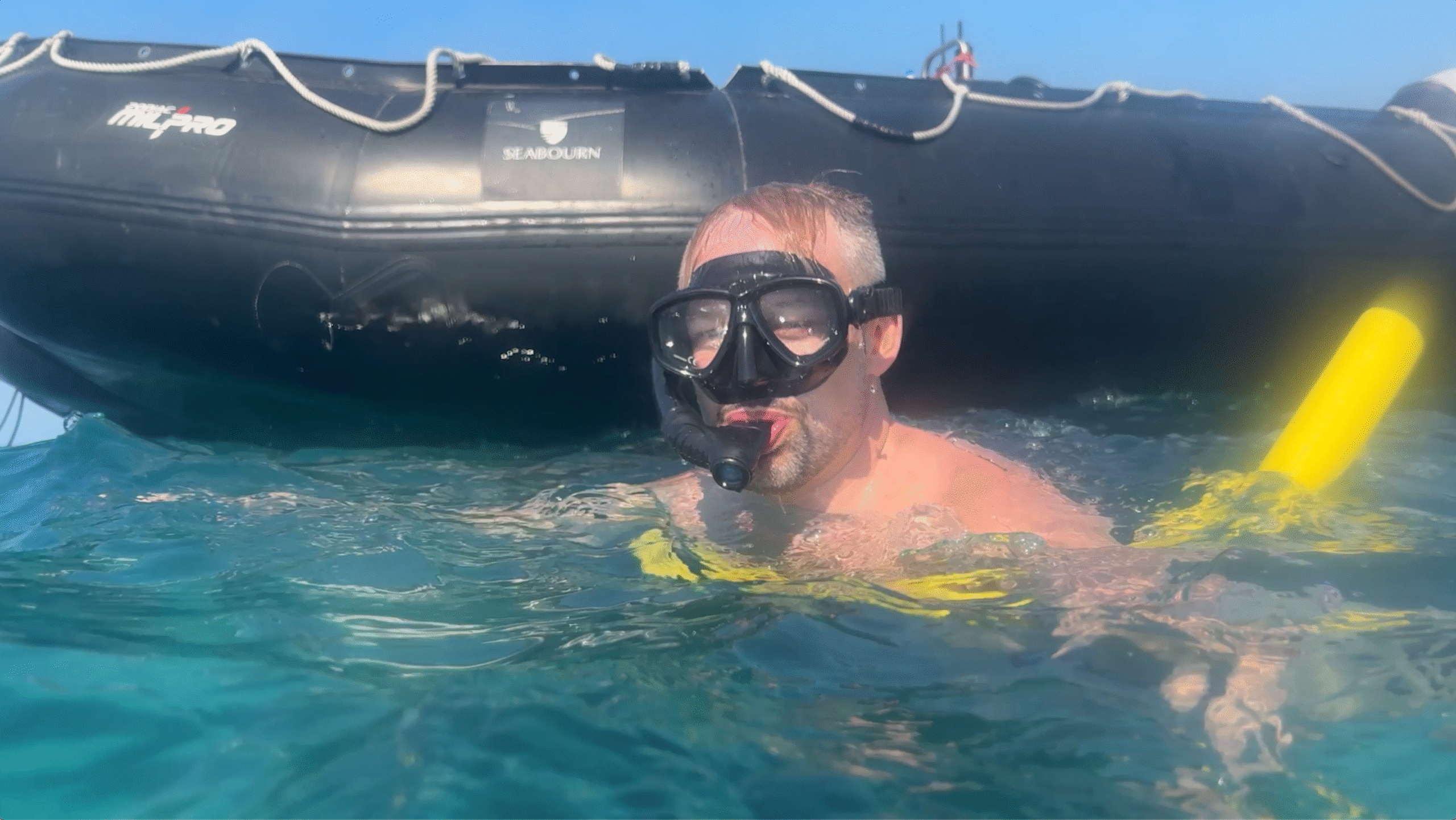
Tip: this is tropical ocean water, so a lightweight rash guard or shorty will help with sun protection and scrapes against coral. And always follow the crew’s safety instructions – the reef is beautiful but wild, and the team knows where it’s safe to swim.
Mitchell Falls via Helicopter from Naturalist Island
One of my favourite, and frankly most adventurous, moments was the helicopter ride from Naturalist Island to Mitchell Falls. We were up early, flying over islands and sandstone country, and the vantage point made the scale of the Kimberley clear in a single glance.
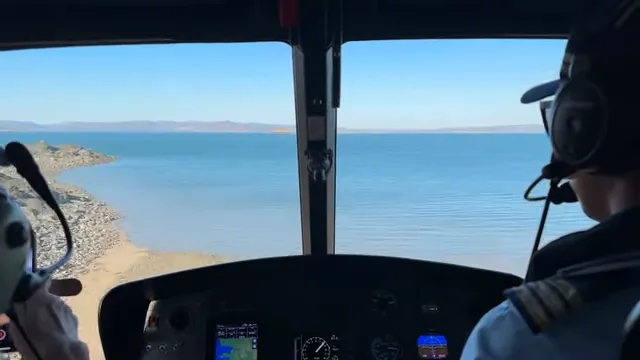
Landing near Mitchell Falls, we did a short hike through the red sandstone country to a ledge where the waterfall tumbles over several tiers of rock. The falls are dramatic – layered cascades over bright sandstone – and the hike back to the chopper was just as memorable: dusty, hot and filled with views.
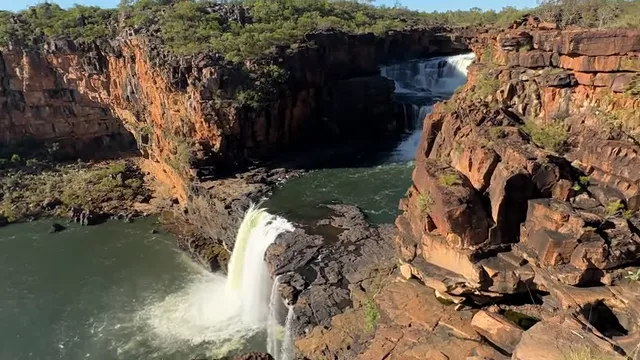
Note: this excursion isn’t for those who fear helicopters or aren’t comfortable with a bit of strenuous walking over uneven ground. But if you can manage it, the payoff is huge.
Paspaley Pearl Farm
I’d never thought much about pearl farms before this trip, but visiting the Paspaley operation was a surprisingly fascinating stop. We toured the farm, learned about the history of pearling in northern Australia and watched part of the harvesting process up close.
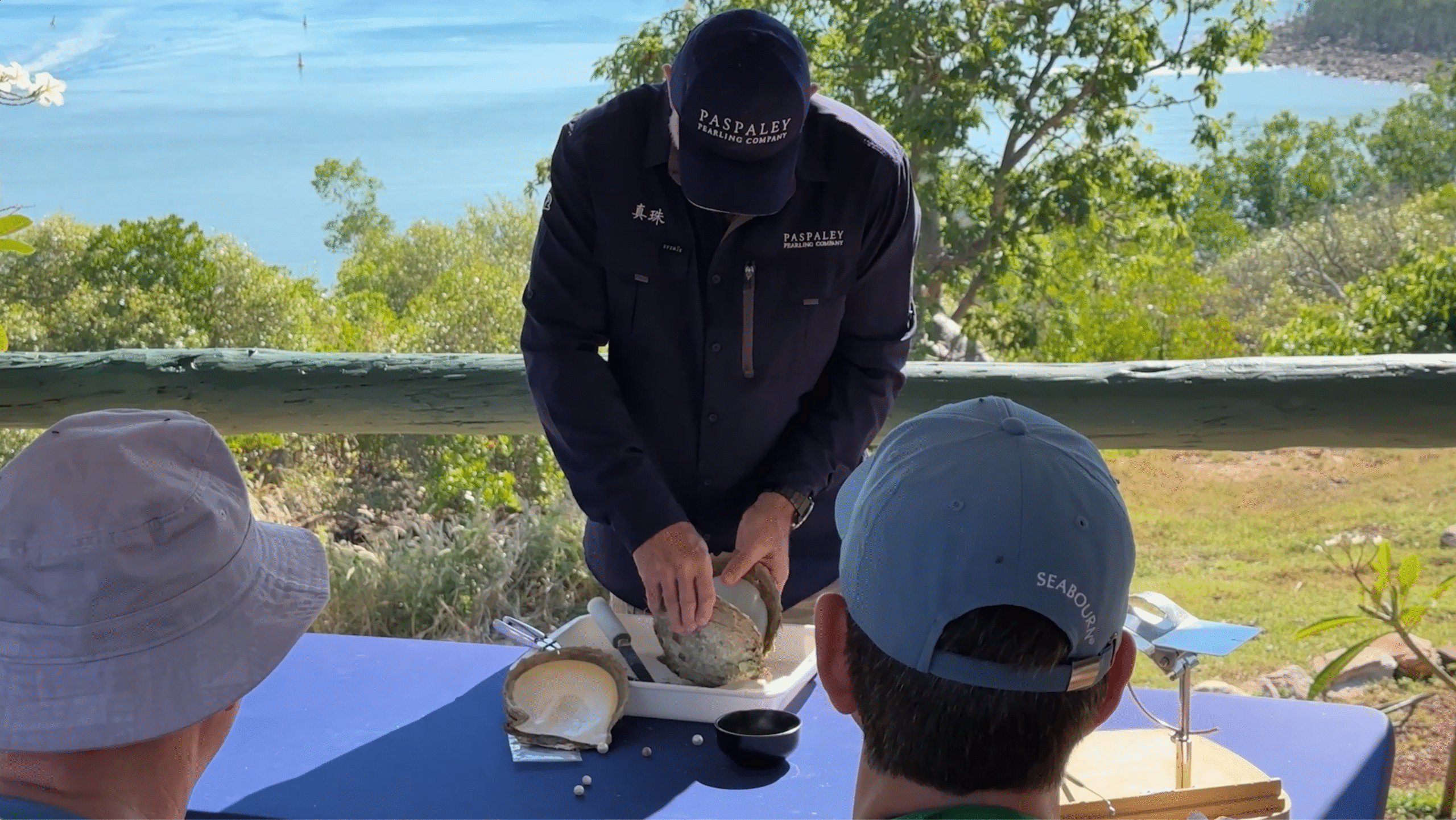
Yes, you can even taste the meat from inside the pearl – a unique culinary experience that I didn’t expect, but enjoyed (it has sort of a coconut meat texture). Seeing the blend of traditional industry and modern enterprise was educational and provided a different perspective on life in these coastal regions.
Freshwater Cove: Cultural Welcome (and a Tough Walk)
Every trip has its highs and lows. Freshwater Cove started well: we had a warm cultural welcome from local Aboriginal hosts, and people were given a smudge – I ended up with one on my cheek as a keepsake of the ceremony.
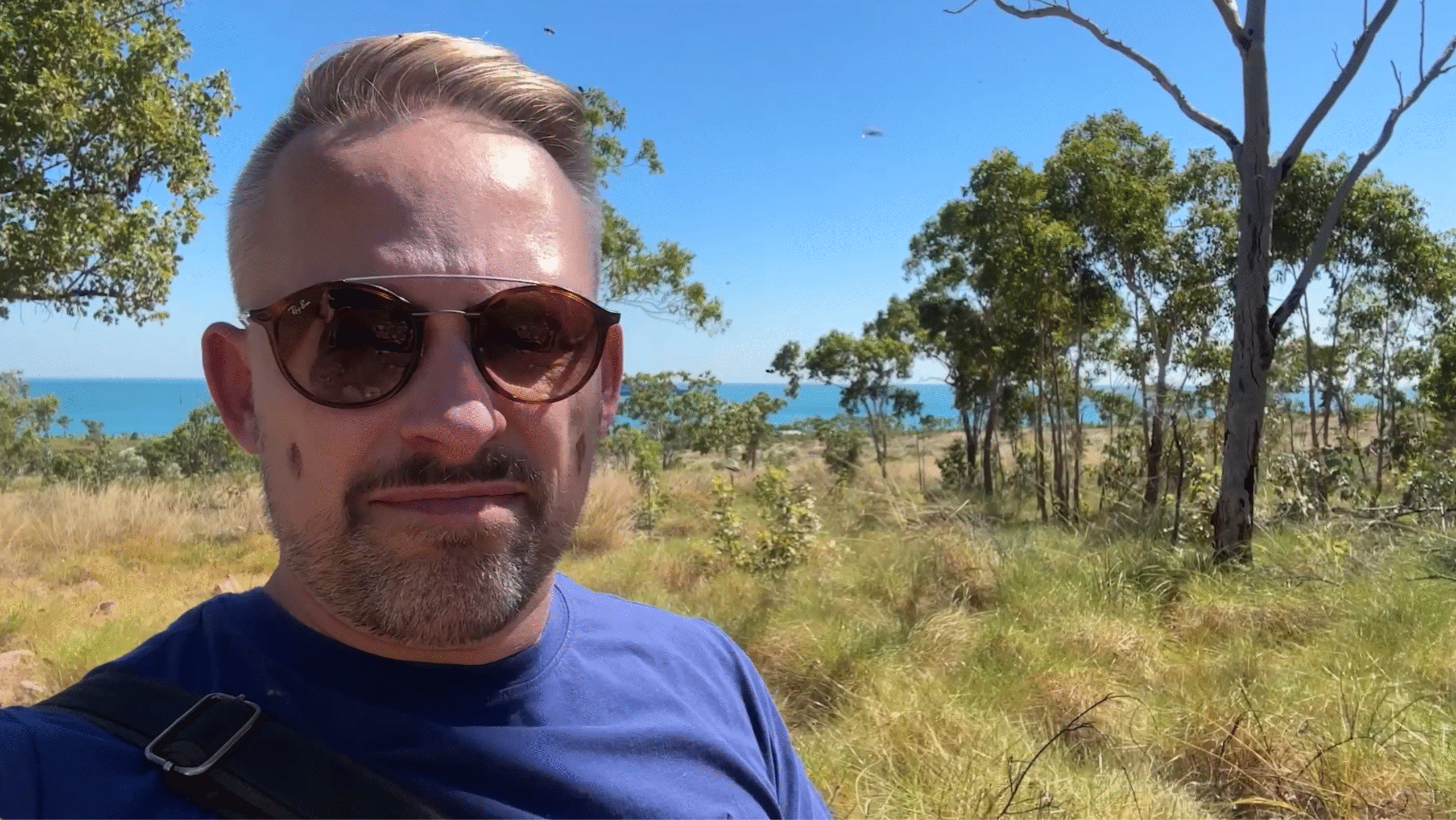
But the walk after that was long and the weather was hot. There were an overwhelming number of flies and the grass along some sections was so sharp it left small cuts on my legs. While we did see Aboriginal art later in the walk, the group was asked not to record it. For me, the experience underscored that not every outing is going to be picture-perfect – sometimes the landscape is unforgiving and you need to be prepared for discomfort.
Physically, plan for heat and insects on these treks. Bring insect repellent and a face net. Culturally, go with an open and respectful attitude: Indigenous hosts often set boundaries for recording and photography.
Talbot Bay & the Horizontal Waterfalls
Talbot Bay is one of those rare natural phenomena that you have to see to believe: the Horizontal Waterfalls. They aren’t waterfalls in the typical sense – they are created by huge tidal changes. As the tide rushes through narrow gaps in the sandstone cliffs, the water on the inland side can’t escape fast enough and creates sideways cascades and powerful currents.
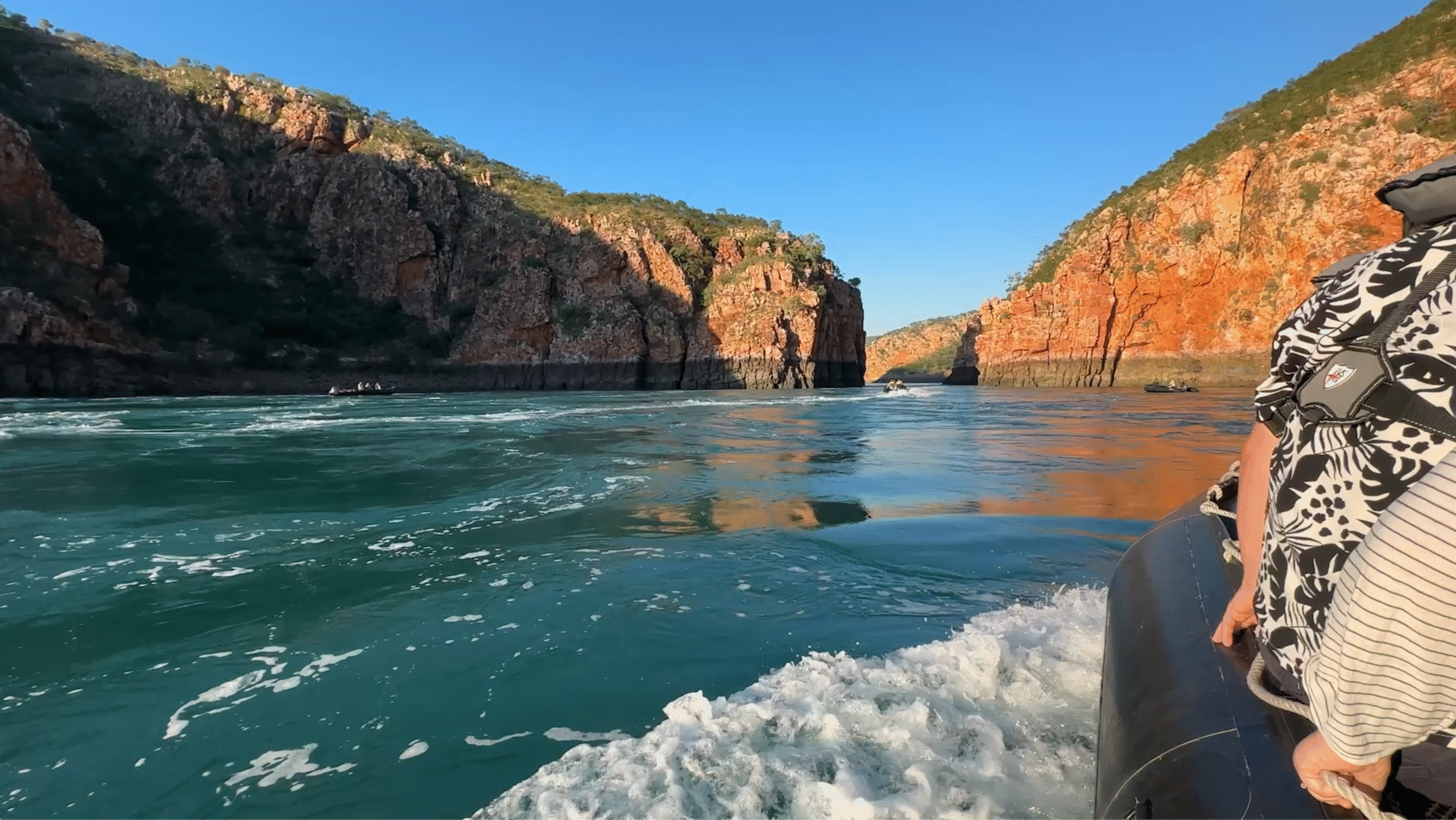
Experiencing the horizontal waterfalls is a highlight of Kimberley travel. There’s a thrill to watching the current funnel through the cliffs and to feeling the power of tidal movement in a dramatic landscape. Safety here is paramount: the crew guided us and explained the conditions,and the Zodiacs handled the water with expertise.
Lacepede Islands: Wildlife, Beaches and a Close Crocodile Encounter
The Lacepede Islands are known for nesting birds, turtles and clear white beaches. It’s the kind of place where everything you see feels like a postcard: bleached sand, turquoise water and wildlife everywhere.
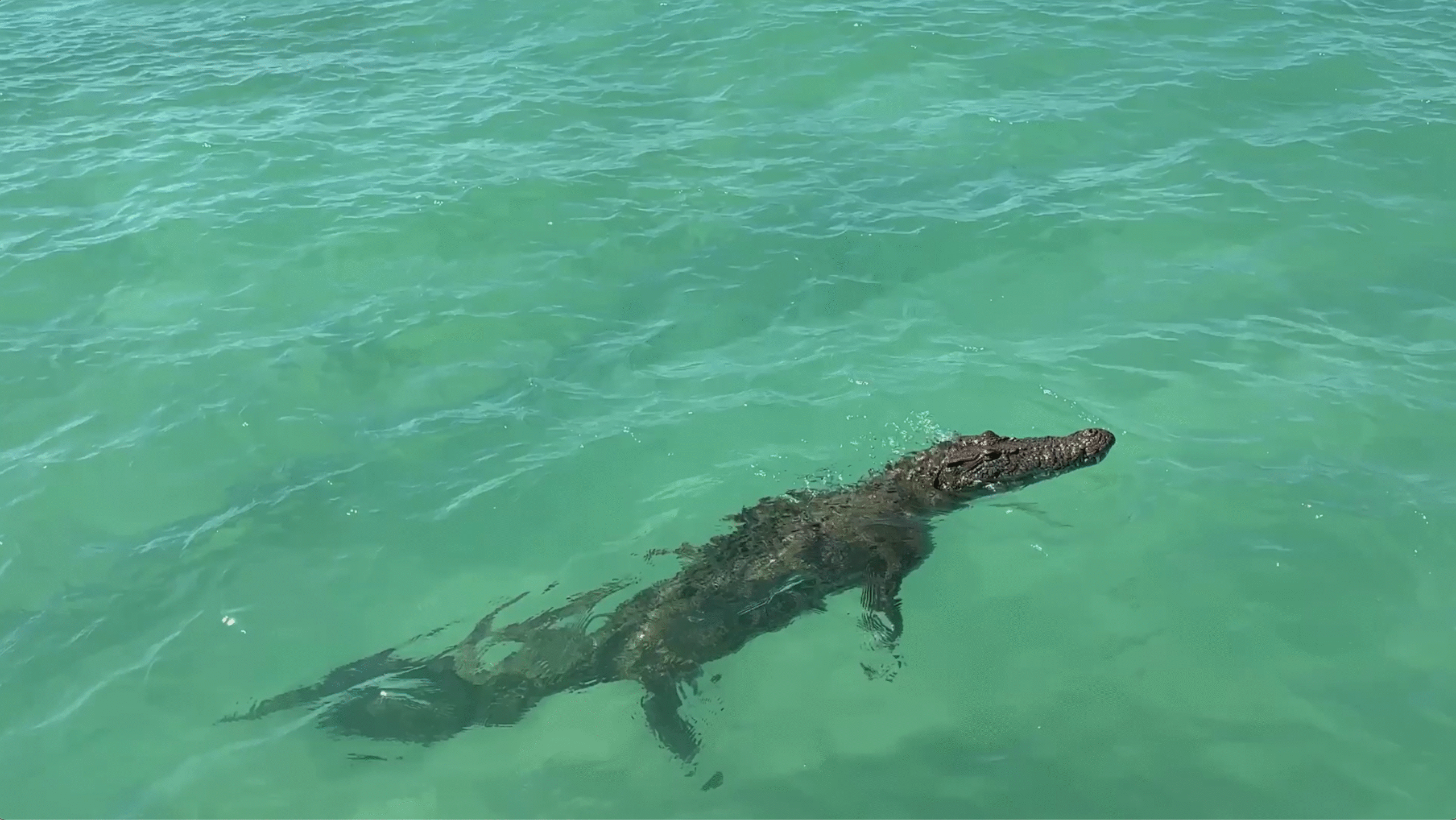
One memorable Zodiac moment was a crocodile that came surprisingly close to our boat. That’s the reality of this environment: animals move freely, and even when you’re in a small vessel you have to be very careful about where your hands are. Keep arms inside and listen to the crew’s instructions.
Life Onboard Between Excursions
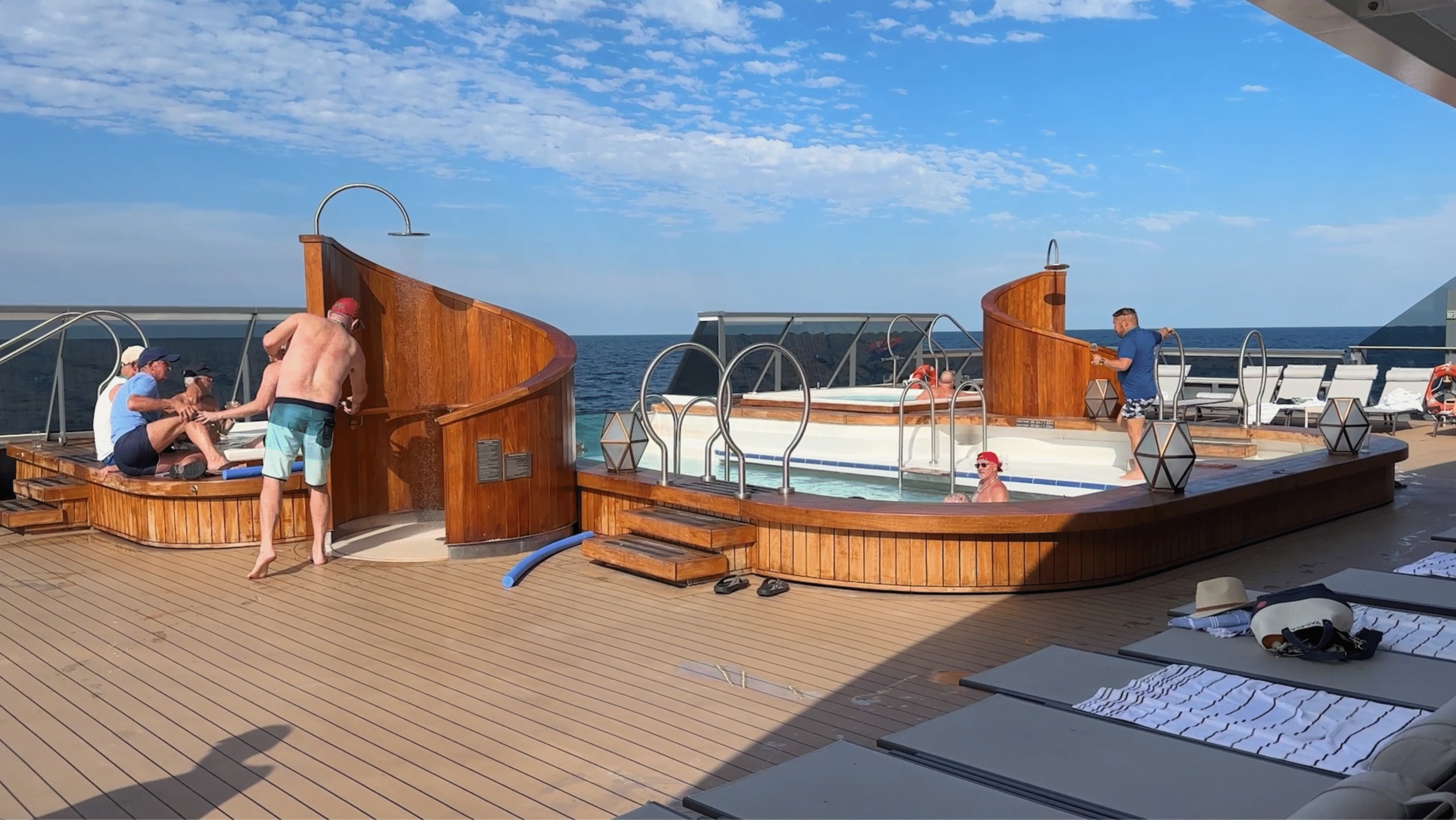
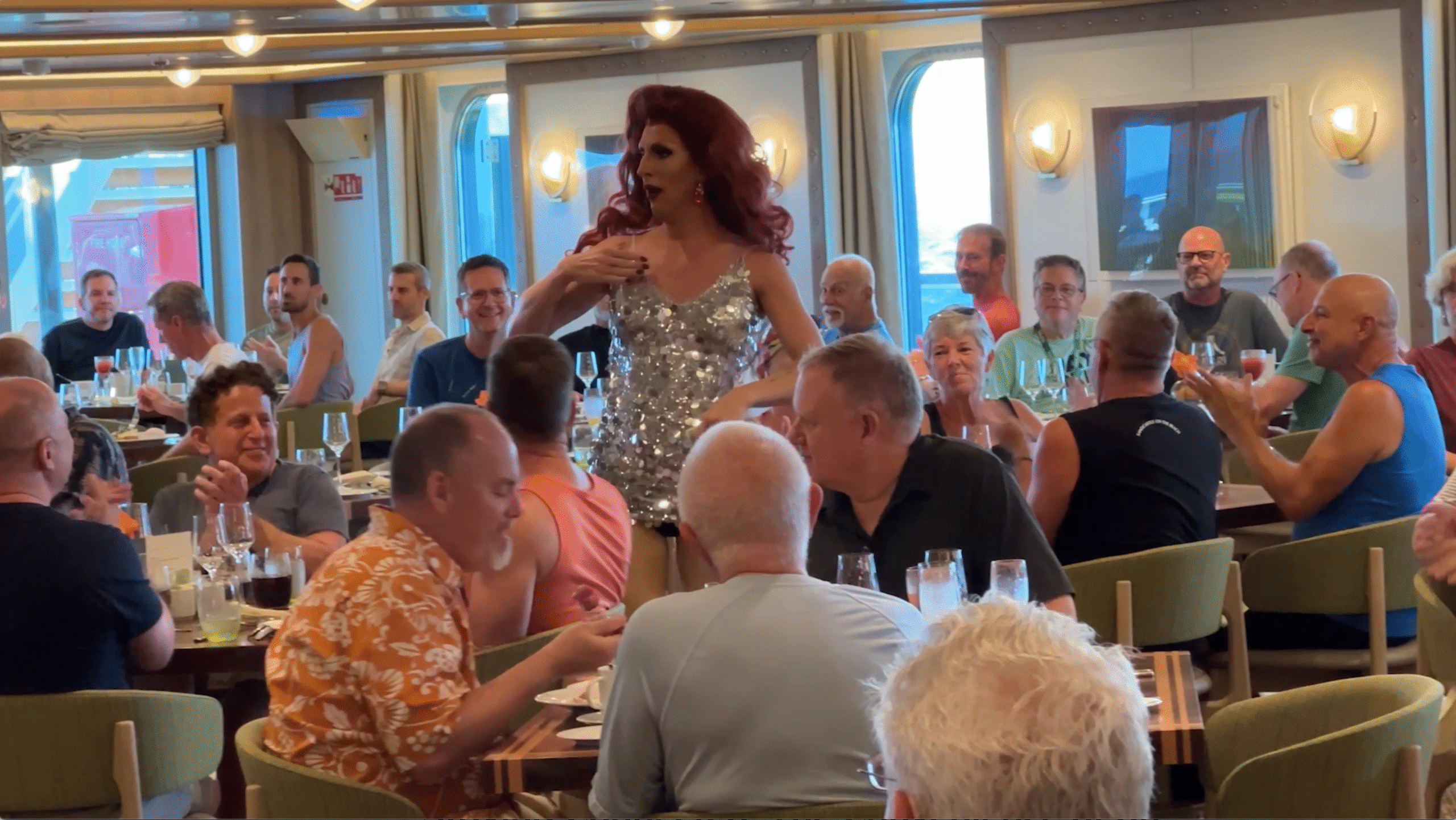
The rhythm of the trip was predictable in the best way: mornings and afternoons exploring, evenings back on the ship with time for food, friends and relaxation. The Seabourn Pursuit offered excellent dining, comfortable lounges for small gatherings and plenty of sunny deck space for reading or chatting with new friends.
As someone who enjoys meeting people while traveling, the VACAYA crowd added a social dimension I loved. There was a real sense of shared enthusiasm – people compared photos, gave tips if they had already gone out on an experience, and celebrated the small victories like spotting a rare bird or some other sort of wildlife.
Staying Connected: The Convenience of an eSIM
Even though the Kimberley feels remote, staying connected was still possible and usually important. I used a Saily eSIM on this trip, and it made a big difference. Instead of hunting for a local SIM card when we landed, I downloaded the eSIM via the Saily app, picked my destination, chose a plan, and was connected with local data almost instantly.
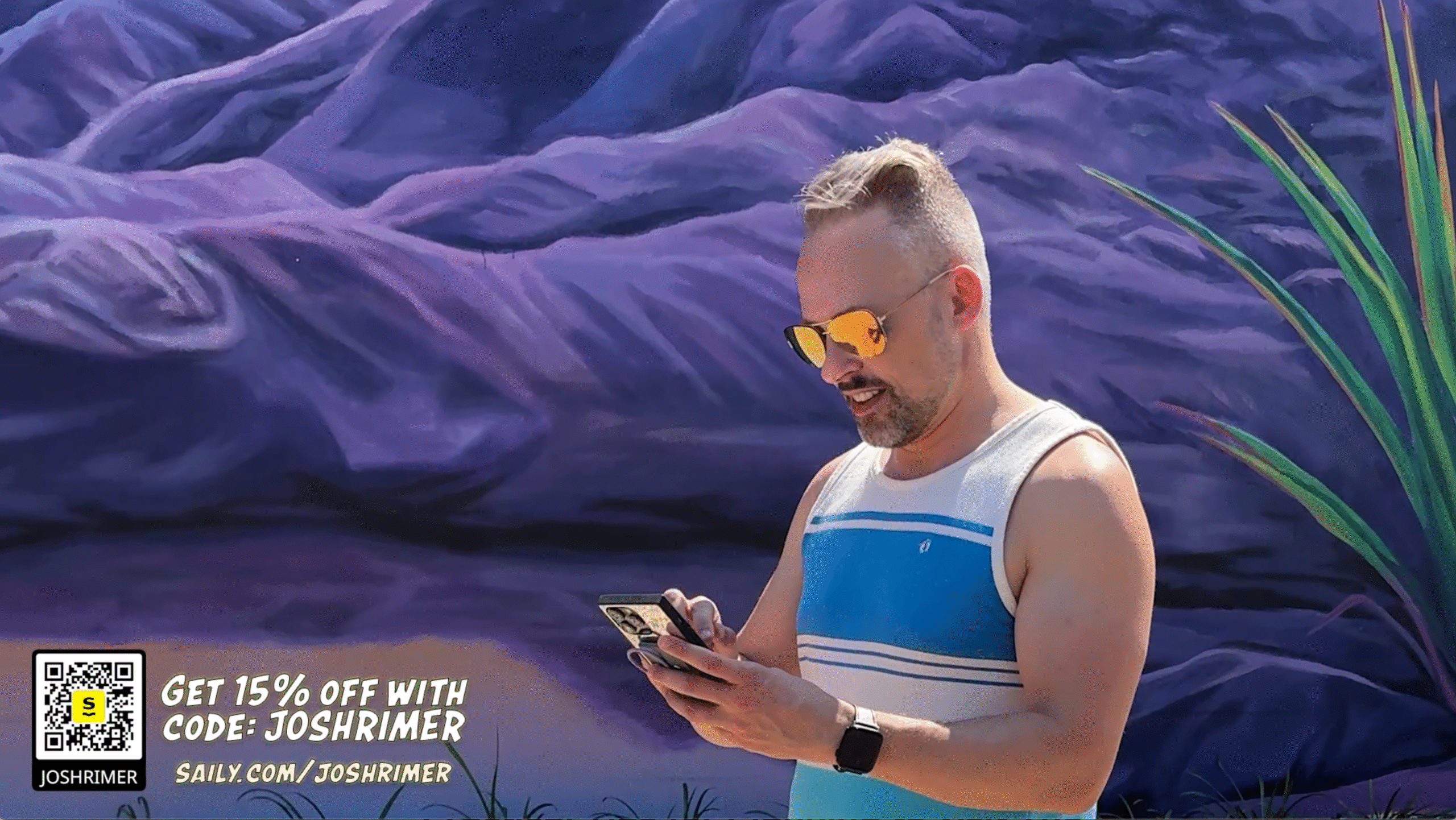
I kept my usual phone number for calls and texts while using Saily for data. For anyone planning to travel overseas an eSIM can remove a lot of fuss – no swapping physical SIM cards, no roaming fees, and a way to upload photos or call home between excursions. If you’re curious, they offered a coupon code for me to pass along so you can get 15% off their already low priced plans: JOSHRIMER
Practical Tips for Planning to visit The Kimberley
If this post has convinced you to consider the Kimberley here are practical tips from my trip to help you plan and pack smartly.
- Book an expedition-style ship: A vessel like Seabourn Pursuit balances comfort and access; it’s small enough to reach remote spots but large enough to offer luxury.
- Go with a group or charter: Traveling with like-minded people can add a layer of community and shared experience that enhances the trip.
- Bring appropriate clothing: Breathable long sleeves, sturdy hiking shoes, a wide-brim hat, and a light waterproof layer for waterfalls and spray.
- Insect protection: Bring strong insect repellent and consider clothing with built-in insect-repellent treatment. Some sort of netting to put over your head will help a lot with the flies.
- Respect cultural protocols: If Indigenous hosts ask that art or sacred places not be recorded be sure to comply. Cultural respect is part of responsible travel.
- Sun protection: UV is intense in northern Australia. You’ll want to use high-SPF sunscreen, sunglasses, and lip balm.
- Use an eSIM: An eSIM helps you stay connected without the hassle of swapping SIM cards. It’s an easy and affordable way to stay in touch while you’re out of your own country.
- Physical prep: Some excursions can be physically demanding. If you’re concerned about mobility, check the activity levels before booking and don’t be afraid to add some extra exercise into your life before you go so your body’s prepared.
Final Thoughts on this LGBTQ Adventure
The Kimberley isn’t an easy place to reach, but for an LGBTQ traveler seeking something extraordinary it’s well worth it. From the roar of King George Falls to the sideways rush of the Horizontal Waterfalls, from ancient rock art to pearl farms and remote beaches, the region offers a rare mix of wildness and cultural depth.
Traveling with a group made the trip socially rich; traveling on a luxury expedition ship made it comfortable; and traveling with curiosity made it unforgettable. If you’re thinking about a trip that combines heart-pounding nature with social warmth, add the Kimberley to your list.
This article was sponsored by Saily
Check out my YouTube channel! |
See more of my LGBTQ travel videos: |
| Subscribe |
Looks like an amazing trip!